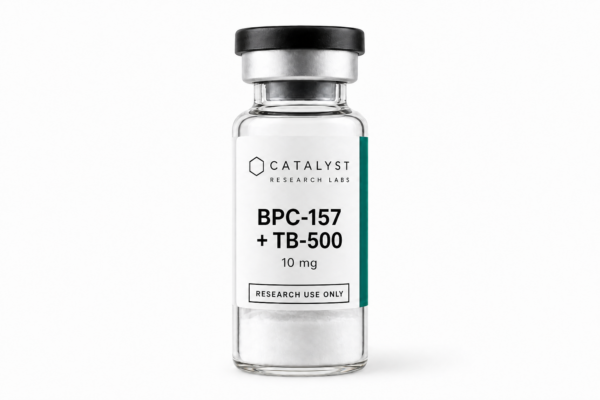
BPC-157 + TB-500
Combined recovery stack for comprehensive tissue support.
BPC-157 + TB-500
Background
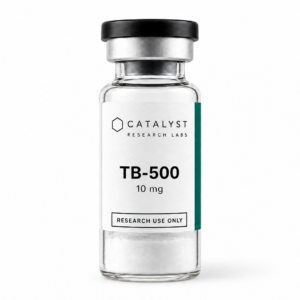
This research preparation combines BPC-157, a gastric-derived pentadecapeptide, with TB-500, a thymosin beta-4 actin-binding fragment. The two are frequently studied together in soft-tissue repair models on the rationale that they engage complementary pathways: BPC-157 is associated with angiogenesis and growth-factor receptor signaling, while thymosin beta-4 fragments are associated with actin regulation and cell migration.
No controlled human data characterize the combination specifically; the supporting literature consists of separate preclinical studies of each component. See the individual BPC-157 and TB-500 entries for primary references.
Selected literature
- Sikiric P, et al. Brain-gut axis and pentadecapeptide BPC 157. Current Neuropharmacology. 2016;14(8):857-865.
- Goldstein AL, Hannappel E, Kleinman HK. Thymosin beta4: actin-sequestering protein moonlights to repair injured tissues. Trends in Molecular Medicine. 2005;11(9):421-429.
- Gwyer D, Wragg NM, Wilson SL. Gastric pentadecapeptide BPC 157 and musculoskeletal soft tissue healing. Cell and Tissue Research. 2019;377(2):153-159.
References are provided for scientific context only. Citation does not imply endorsement of any use, nor a claim of safety or efficacy. Findings frequently derive from in-vitro or animal models.
Trademarks & attribution
Both BPC-157 and TB-500 are investigational research peptides with no approved drug products or registered pharmaceutical trademarks. Catalyst Research Labs is not affiliated with any pharmaceutical manufacturer. Supplied as reference material only.